Looking for a Seattle neighborhood that feels connected, walkable, and close to the water without giving up city convenience? Eastlake stands out for exactly that reason. If you are trying to picture what daily life here actually feels like, this guide will help you understand the housing mix, waterfront access, commute options, and overall rhythm of the neighborhood. Let’s dive in.
What Eastlake Feels Like Day to Day
Eastlake sits along the eastern shore of Lake Union, between the lake and Capitol Hill. Seattle historical records describe it as a small neighborhood with a wide mix of land uses, including marinas, maritime industry, commercial buildings, and homes. That blend gives Eastlake a lived-in, urban character that feels different from a purely residential pocket.
In practical terms, everyday life here often means seeing cafes, apartments, boats, and shoreline activity all within a short distance. Eastlake Avenue E acts as the neighborhood’s main commercial corridor, with offices, neighborhood businesses, and newer mixed-use buildings alongside older structures. The result is a setting that feels active but still tied closely to the water.
Eastlake’s Housing Mix
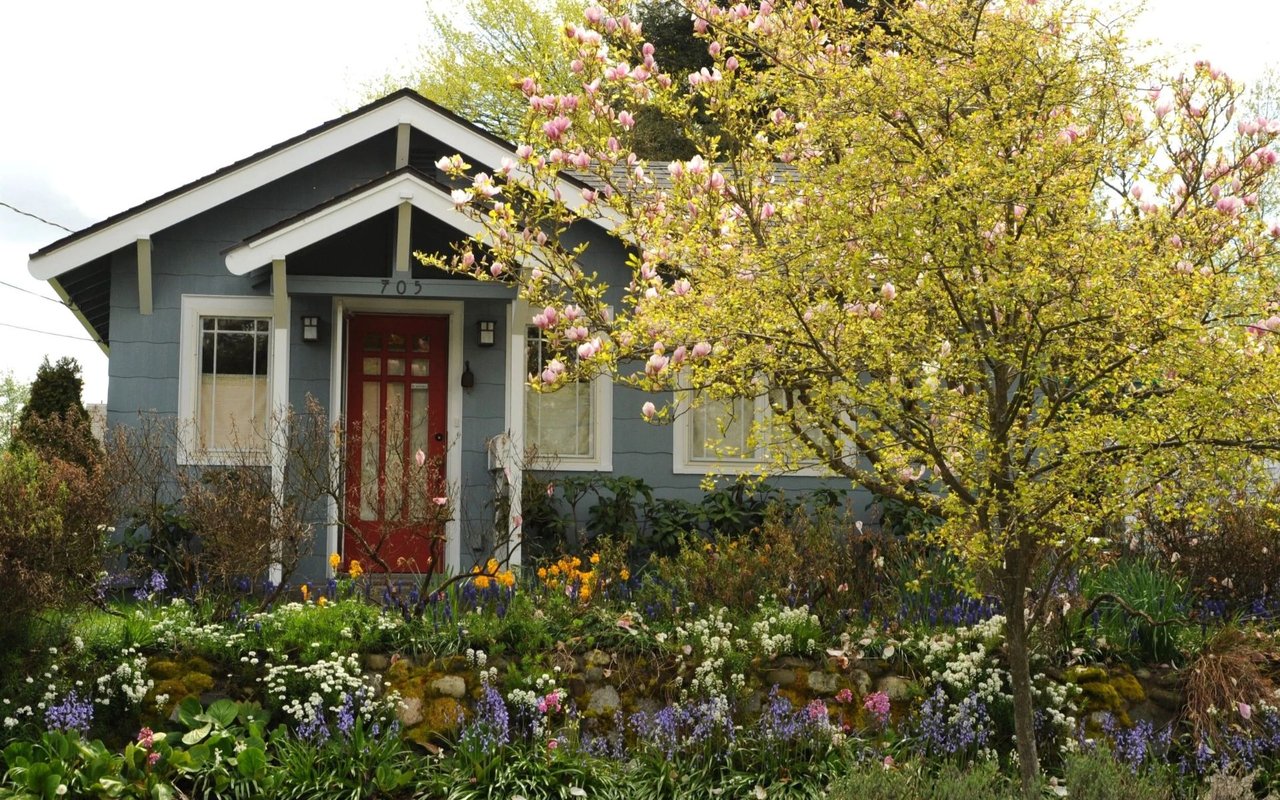
One of Eastlake’s biggest draws is variety. Seattle records note that the neighborhood includes older apartment buildings from the streetcar era, bungalow courts, small-scale apartments, houseboats, smaller houses, and larger remodeled homes with added units. That range can make Eastlake appealing if you want options beyond a single housing type.
You also see a mix of architectural styles across the neighborhood. Historic and city sources describe Victorian farmhouses, Craftsman bungalows, courtyard housing, Mission Revival and Art Deco apartment buildings, and newer mixed-use development. If you like neighborhoods that show layers of Seattle’s growth over time, Eastlake has that texture.
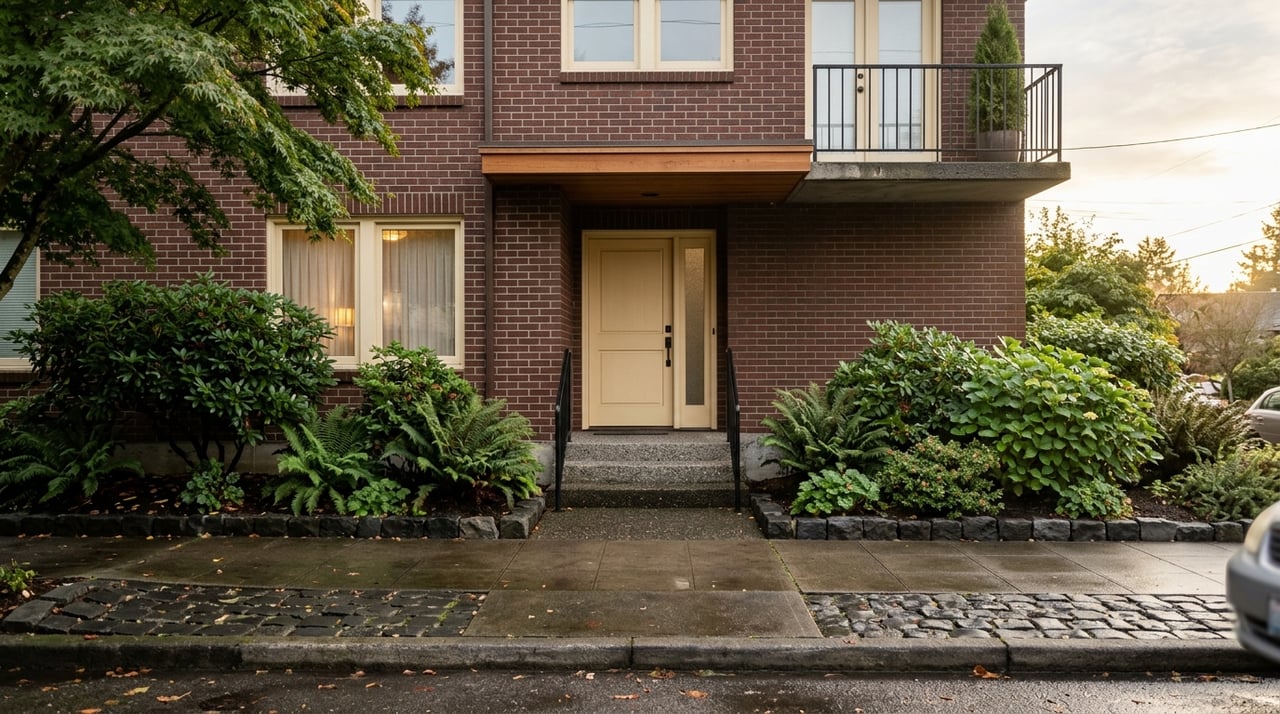
Eastlake is also still evolving. Seattle design review records show active apartment proposals on Eastlake Avenue E, including projects with dozens of units and space for live-work or retail uses. That tells you the neighborhood is continuing to grow rather than staying fixed in one era.
Older Character Meets New Infill
Part of Eastlake’s appeal is the contrast between old and new. You might pass a historic apartment building, a floating home, and a newer multifamily project in the same stretch. For buyers and sellers, that usually means paying attention to block-by-block differences instead of assuming the whole neighborhood feels the same.
That variety can also shape your home search. If you are drawn to vintage details, small-scale multifamily housing, or a more modern low-maintenance option, Eastlake offers several possibilities within a compact area. It is the kind of neighborhood where local guidance can help you narrow in on the right fit.
Lake Union Is Part of Everyday Life
In many Seattle neighborhoods, water views feel occasional. In Eastlake, the lake is part of the neighborhood’s daily backdrop. City records describe shoreline uses that include houseboats, marinas, boat repair yards, and public access points, which gives Eastlake a working-waterfront feel as well as a scenic one.
That matters because the waterfront here is not just something you look at from afar. It is woven into the neighborhood experience. Whether you are walking nearby streets or stopping at a small shoreline access point, Lake Union tends to feel close at hand.
Parks and Shoreline Access
Fairview Park is one of Eastlake’s key public spaces. Seattle Parks notes that it includes water views, a P-Patch, stairs between Eastlake Avenue East and Fairview Avenue East, a deck or overlook, a gangway, and a small boat hand launch. It is a useful example of how the neighborhood connects daily life with the shoreline.
Terry Pettus Park offers another kind of access. Located on the eastern shore of Lake Union, it includes shoreline access and a public float with limited tie-up time. Seattle Parks also notes that the park honors efforts to preserve the floating-home community, which adds to Eastlake’s distinct local identity.
There are also smaller public access features built into the area. Seattle’s Shoreline Street Ends Program identifies E Allison Street in Eastlake as a shoreline street end, reinforcing that access to the water is part of the neighborhood fabric. In a compact urban area, these details can make a big difference in everyday enjoyment.
Walking and Outdoor Rhythm
Eastlake often appeals to people who want city living with easy outdoor access. The Cheshiahud Lake Union Loop helps connect the neighborhood to open space around the lake. Seattle Parks says the loop was created to connect people to open space and celebrate Lake Union’s historic working waterfront.
That means Eastlake does not feel cut off. Instead, it feels plugged into a broader lakefront network for walking and recreation. If your ideal day includes grabbing coffee, heading out on foot, and staying close to the water, Eastlake supports that kind of routine.
Getting Around From Eastlake
For many people, Eastlake’s location is one of its strongest assets. King County Metro route materials identify Route 70 as serving the University District, Eastlake, and downtown Seattle. For a neighborhood so close to major employment and activity centers, that is a meaningful part of daily convenience.
This kind of connection can simplify routines whether you commute regularly or just want flexibility without relying on a car for every trip. Eastlake’s corridor ties into South Lake Union, downtown, and the University District, which gives the neighborhood a strong central feel. For buyers weighing lifestyle and logistics, that combination is often a major plus.
Transit Improvements Ahead
Eastlake is not just well-located today. It is also part of a major planned transit upgrade. Seattle says the RapidRide J Line project will upgrade the current Route 70 to RapidRide service in 2027 and improve transit connections to Downtown, Belltown, South Lake Union, Eastlake, and the University District.
The project also includes new bus stations, repaved streets, protected bike lanes, and pedestrian-accessibility upgrades. For residents, that points to a future with even stronger multimodal access. If you are thinking long term about livability, these planned improvements are worth noting.
Bike Connections Continue to Improve
Biking is another important part of Eastlake’s transportation picture. The Seattle Department of Transportation says the Eastlake Avenue E Mobility Improvements project added one-way protected bike lanes between Fairview Avenue N and Stewart Street, along with sidewalk and pedestrian improvements. The corridor is described as a critical connection between the city center and north corridors.
That matters if you want more than one way to move through the city. Eastlake is increasingly set up for transit, walking, and biking, not just driving. In a Seattle neighborhood, that kind of flexibility can shape how easy daily life feels.
Why Eastlake Appeals to Buyers
Eastlake tends to attract people who want a close-in Seattle location with a clear sense of place. The neighborhood offers a mix of housing styles, direct ties to Lake Union, and practical access to major parts of the city. It can feel urban, but the waterfront and public access points help soften that experience.
For buyers, one of the biggest advantages is that Eastlake is not one-note. Some homes and buildings lean into historic character, while others offer newer layouts and mixed-use convenience. If you are relocating, buying for the first time, or comparing Seattle neighborhoods with different lifestyles, Eastlake is often worth a closer look.
Why Eastlake Matters for Sellers
For sellers, Eastlake’s story is one of layered appeal. The neighborhood combines housing variety, shoreline identity, and strong connectivity, which gives you more than one angle to highlight when positioning a home. Depending on the property, buyers may respond to architectural character, access to Lake Union, commute convenience, or the neighborhood’s evolving urban feel.
That is why clear positioning matters here. In a neighborhood with everything from houseboats and older apartments to newer multifamily buildings, the details of your home and block matter. A thoughtful strategy can help your property stand out in a way that feels accurate and compelling.
If you are considering a move in Eastlake, having a calm, local guide can make a big difference. Whether you are buying your first Seattle home, relocating, or preparing a property for sale, Joyce Juntunen brings thoughtful strategy, neighborhood insight, and hands-on support to help you move with clarity.
FAQs
What is everyday life like in Eastlake Seattle?
- Eastlake feels like a compact lakefront neighborhood with a mix of homes, apartments, cafes, commercial spaces, and working-waterfront activity along Lake Union.
What types of homes are found in Eastlake Seattle?
- Eastlake includes houseboats, smaller houses, remodeled homes with added units, older apartment buildings, bungalow courts, courtyard housing, and newer mixed-use residential buildings.
Does Eastlake Seattle have public waterfront access?
- Yes. Public access features include Fairview Park, Terry Pettus Park, and shoreline street ends such as E Allison Street.
Is Eastlake Seattle good for commuting?
- Eastlake has strong transit connections through Route 70, with access to downtown Seattle, South Lake Union, and the University District, plus future RapidRide J Line improvements.
Is Eastlake Seattle good for walking and biking?
- Eastlake supports walking and biking with access to the Cheshiahud Lake Union Loop, protected bike lanes on Eastlake Avenue E, and pedestrian improvements along the corridor.
Is Eastlake Seattle still changing?
- Yes. City records show ongoing redevelopment and proposed apartment projects on Eastlake Avenue E, reflecting continued growth and new housing activity.