If you are thinking about selling in West Seattle, you are probably asking the same big question most owners do: how do you sell well without leaving money on the table or creating unnecessary stress? That concern is understandable, especially in a market where buyers have more choices than they did a year ago, but strong homes can still attract serious interest. In this step-by-step guide, you will learn how to prepare, price, launch, and close your West Seattle home with more clarity and confidence. Let’s dive in.
Understand the West Seattle market first
Before you make repair decisions or set a list price, it helps to understand what the current market is actually doing. As of May 2026, West Seattle had 266 homes for sale, a median listing price of $839,500, a median sold price of $799,000, a median 34 days on market, and an average 100% sale-to-list ratio.
That data tells an important story. Inventory was up 30.7% year over year, and days on market were up 30.8%, which means sellers are facing more competition and often need a sharper launch strategy than they did before. At the same time, Realtor.com still classifies West Seattle as a seller’s market, and the average sale-to-list ratio suggests well-positioned homes can still command strong offers.
Price by micro-market, not by ZIP code
West Seattle is not one uniform market. Pricing and pace can vary a lot depending on where your home sits and how it compares to nearby listings and recent sales.
For example, Realtor.com shows median listing prices ranging from about $667,500 in South Delridge to $1.325 million in Fauntleroy and $1.199 million in Seaview. Median days on market also range widely, from 20 days in Seaview to 55 days in North Delridge.
That is why broad Seattle averages are not enough. A pricing strategy for a condo, townhome, or single-family home in one part of West Seattle may not fit another pocket just a few minutes away.
Step 1: Start with a prep plan
The first step in selling is not putting a sign in the yard. It is building a clear plan for what to repair, what to leave alone, and what will help your home show at its best.
This step matters even more in a market with rising inventory. King County reported 6,163 active listings in April 2026, up 29.97% from a year earlier, while closed sales fell 3.48% and months of inventory reached 3.00. When buyers have more options, preparation becomes part of your pricing power.
A strong prep plan usually includes:
- A review of visible maintenance issues
- A check on any recent updates or unfinished projects
- A plan for cleaning, staging, and photography
- A timeline for vendor work before listing
- A review of permits, records, and disclosure materials
For many sellers, this is where hands-on coordination matters most. Instead of guessing what buyers will care about, you want a practical sequence that supports your launch.
Step 2: Handle repairs and permit questions early
If your home needs touch-ups or repairs, take care of those before staging and photos. That order helps you avoid rework and keeps your listing presentation clean and polished.
Seattle’s Department of Construction and Inspections says most projects require a permit, but minor repairs or alterations costing $6,000 or less in any six-month period generally do not. The city also notes that painting, cleaning, re-pointing a chimney, and some in-kind replacements are usually exempt when no structural changes are made.
The city also states that permits can increase resale value and help avoid problems tied to unpermitted work. If you have completed larger projects over the years, it is smart to gather any permit records, contractor invoices, and inspection reports early so you are not scrambling later.
Step 3: Get disclosure-ready before you list
In Washington, sellers generally must provide a completed seller disclosure statement for sales of improved residential real property unless the buyer waives that right or a statutory exemption applies. Delivery must occur no later than five business days after mutual acceptance unless the parties agree otherwise.
There is another timeline that matters too. If the buyer did not waive the right to receive the disclosure, the buyer has three business days after delivery to rescind.
Because the disclosure is based on your actual knowledge, it helps to gather your records before you complete it. Useful items can include:
- Permit records
- Contractor invoices
- Inspection reports
- Utility or system service records
- Notes on past repairs or updates
This is one of the most overlooked parts of the selling process. Good disclosure preparation helps reduce surprises once you are under contract.
Step 4: Stage for buyer attention
Staging can make a real difference in how your home is received. According to the 2025 Profile of Home Staging, 49% of sellers’ agents observed shorter time on market when a home was staged, and 29% reported a 1% to 10% increase in the dollar value offered.
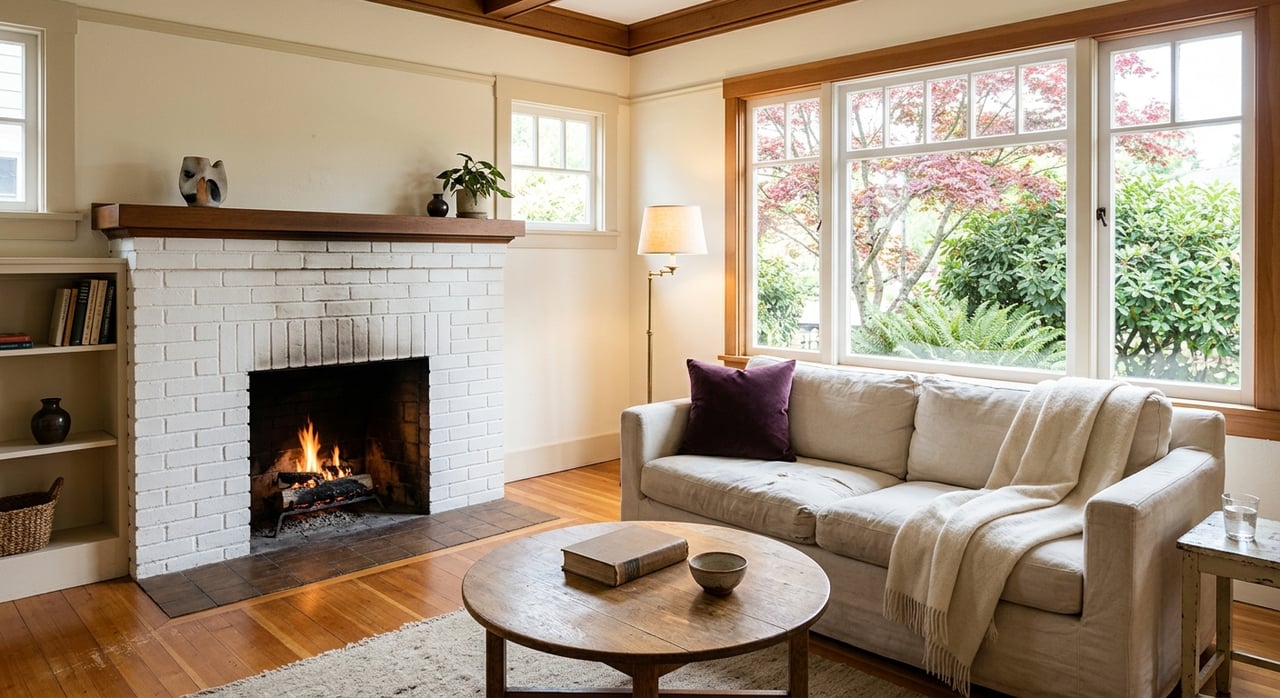
That same report found a median staging-service cost of $1,500. It also identified the living room, primary bedroom, and kitchen as the spaces buyers’ agents most often viewed as most important.
That does not mean every home needs a full staging package. It does mean your presentation should be intentional, especially in the rooms that shape first impressions.
Step 5: Launch only when the home is ready
One of the most common mistakes sellers make is listing too early. In a more competitive environment, your first days on market matter.
A near-term West Seattle listing is usually less about chasing a perfect calendar date and more about readiness. If your repairs are done, your home is clean and staged, your disclosures are organized, and your photography is strong, you are in a much better position to capture early attention.
That early momentum matters because buyers are comparing your home against more options than before. A launch that feels polished and complete gives you a better chance of attracting serious interest right away.
Step 6: Price for day-one credibility
In West Seattle, pricing should be defensible from the start. With a current average 100% sale-to-list ratio, the data suggests that well-positioned homes can still earn strong offers, but that does not mean every home can stretch above the market and hope buyers follow.
Because inventory has increased and closed sales have dipped in King County, buyers have more room to compare. That makes day-one credibility especially important.
A smart pricing strategy usually does three things:
- Reflects recent nearby comparable sales
- Accounts for your specific micro-market within West Seattle
- Matches the home’s condition, presentation, and competition
In this kind of market, the goal is often not to price high and negotiate down later. It is to launch at a price buyers can understand and support from the beginning.
Step 7: Review offers with net proceeds in mind
When offers come in, the highest number is not always the best outcome. Price matters, but so do timing, contingencies, and your likely net proceeds.
One key seller cost in Washington is real estate excise tax, or REET. The seller usually pays this tax, and King County requires a completed REET affidavit for deeded transfers. Seattle also adds a local REET on property sales within the city.
For an illustrative $799,000 West Seattle sale, assuming no taxable personal property deductions or exemptions, the current state REET would be about $9,282 and Seattle’s local REET about $3,995. That is roughly $13,277 before other fees.
This is why offer review should go beyond headline price. Your real bottom line depends on both the accepted offer and the costs tied to closing.
Step 8: Move from mutual acceptance to closing
Once you accept an offer, the process shifts from marketing to execution. This is where timeline management, disclosure delivery, and closing coordination become especially important.
At this stage, you may be tracking buyer timelines, responding to follow-up questions, and making sure required documents are delivered on time. If the disclosure statement is still outstanding, remember the Washington timing rules can affect the buyer’s right to rescind.
A smooth closing is often the result of earlier preparation. When repairs, records, pricing, and offer terms are all handled with care from the start, the final stretch tends to be much more manageable.
What West Seattle sellers should focus on now
If you are selling in West Seattle this year, the biggest takeaway is simple: the market still rewards good execution. Homes can still sell at strong terms, but buyers are seeing more inventory and taking a closer look at value, condition, and presentation.
That means your best next move is not guessing. It is building a thoughtful plan for prep, pricing, and timing based on your home, your block, and your goals.
If you are weighing when to sell or how much work to do before listing, Joyce Juntunen can help you map out the right strategy, coordinate the details, and move from planning to closing with clarity.
FAQs
What is the current home selling pace in West Seattle?
- As of May 2026, the median days on market in West Seattle was 34, though timing varies by area, with some pockets moving faster than others.
What price point are homes selling for in West Seattle?
- As of May 2026, West Seattle had a median sold price of $799,000 and a median listing price of $839,500.
What seller disclosure rules apply when selling a home in Washington?
- Washington generally requires a completed seller disclosure statement for improved residential property unless the buyer waives that right or an exemption applies, and delivery must occur no later than five business days after mutual acceptance unless otherwise agreed.
What repair work may need permits before selling a Seattle home?
- Seattle says most projects require a permit, while some minor repairs or alterations costing $6,000 or less in a six-month period are generally exempt, along with items like painting and certain in-kind replacements when no structural changes are made.
What rooms matter most when staging a home for sale?
- The 2025 Profile of Home Staging found that buyers’ agents most often viewed the living room, primary bedroom, and kitchen as the most important rooms.
What taxes should sellers expect on a West Seattle home sale?
- Washington real estate excise tax usually applies to the sale, and Seattle adds a local REET, so seller net proceeds depend on both sale price and closing-related costs.