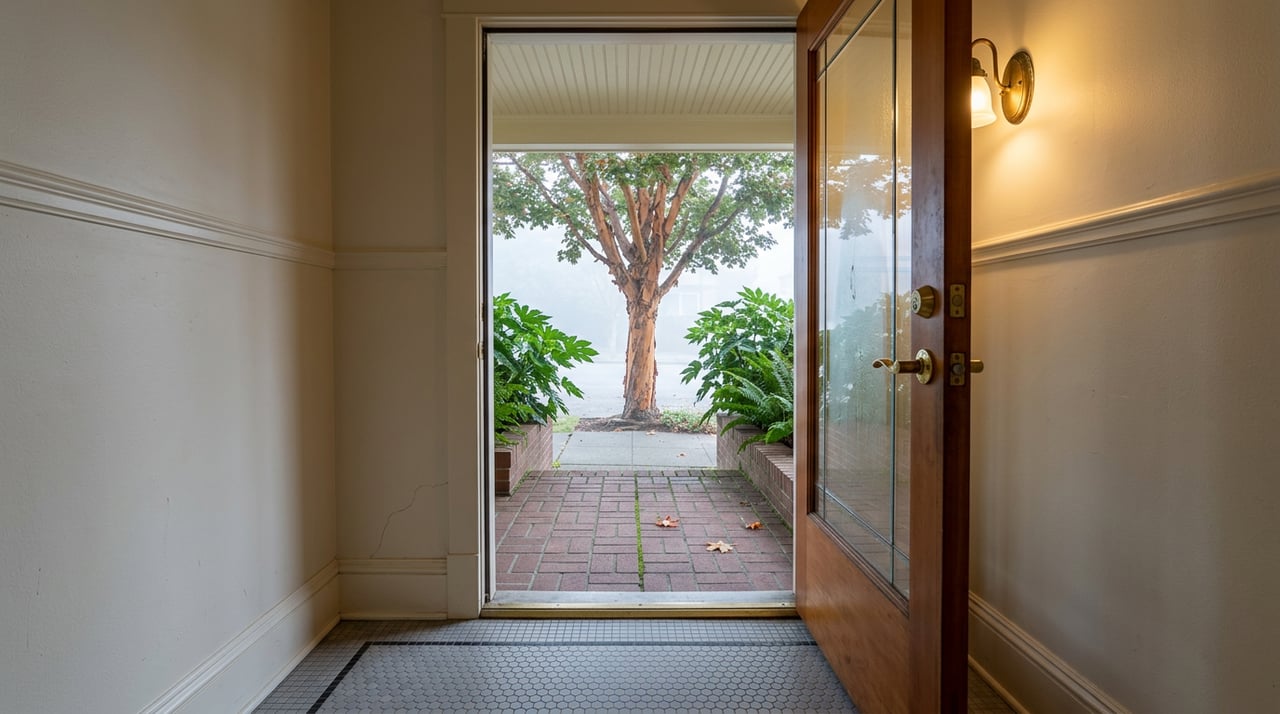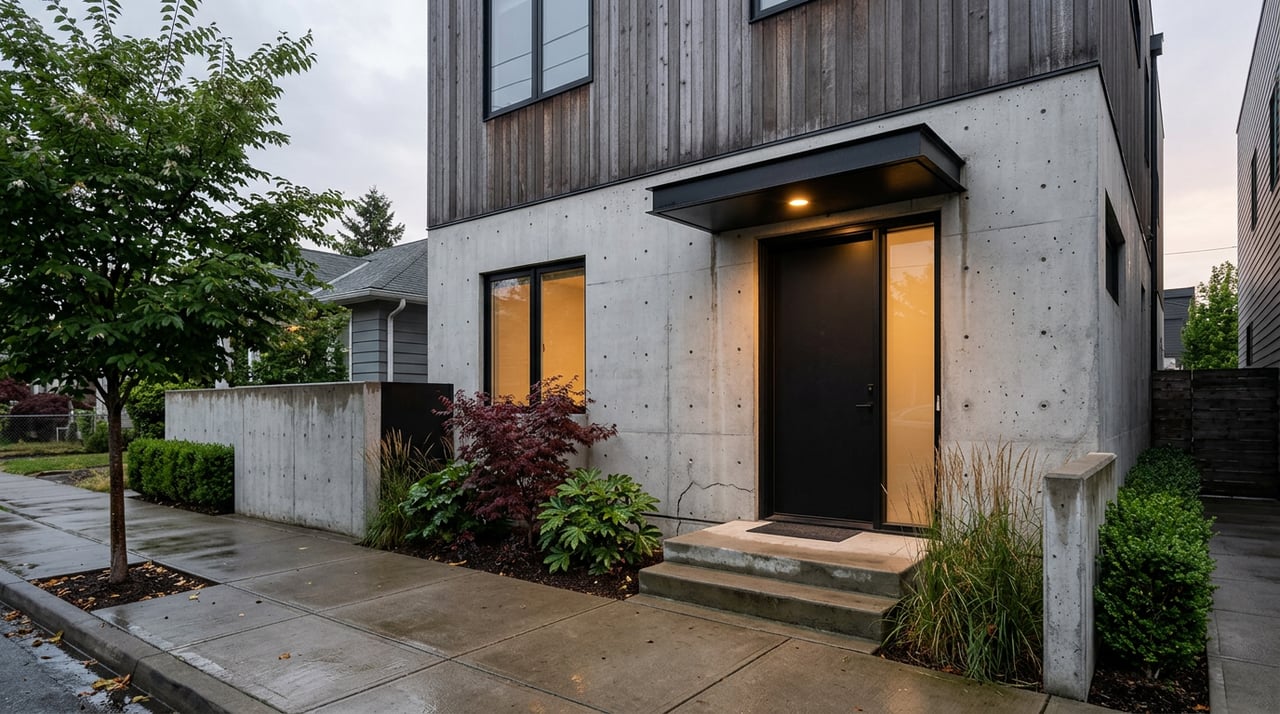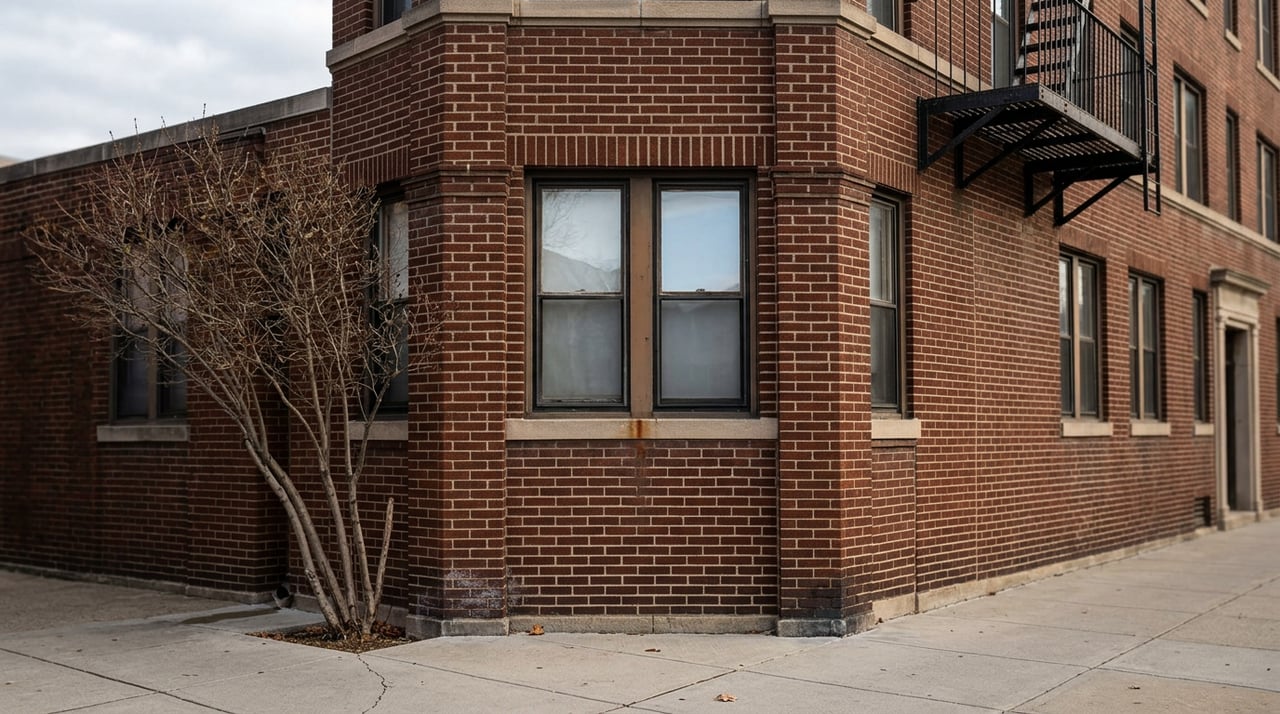
Two buyers put offers on nearly identical one-bedroom condos in Capitol Hill this summer. Same era of building, same asking price range, same lender pre-approval letter in hand. One closed in twenty-six days. The other is still waiting, six weeks past the original closing date, because the lender asked for documents the building's HOA didn't have ready: a current reserve study, a structural engineering letter, and confirmation of the building's status in the city's seismic risk database.
Nothing about either building changed this summer. What changed is how closely a lender is now required to look.
What Changed on August 3
On August 3, 2026, Fannie Mae and Freddie Mac eliminated the "limited review" option that many condo mortgage applications used to qualify for. Under limited review, a lender could approve a condo loan with a lighter check of the HOA's finances and the building's condition. As of this month, most of those transactions now require a full review instead, meaning a much closer look at the association's budget, reserve funding, insurance coverage, and building condition before the loan can be sold to Fannie or Freddie. According to CNBC's reporting on the change, roughly 40% of condo mortgage transactions had been using the limited review pathway and will now need the fuller version.
That is not a Seattle-specific rule. It applies to condo buyers everywhere. But it lands differently depending on what kind of housing stock a neighborhood has, and Capitol Hill has more of exactly the kind of building this new scrutiny is built to catch than almost anywhere else in the city.
Why Capitol Hill Feels This More Than Most Neighborhoods
Seattle has identified more than 1,100 unreinforced masonry buildings citywide, brick structures built mostly before World War II without the steel reinforcement that helps a wall stay attached to its roof and floors during an earthquake. Pioneer Square, the Chinatown-International District, Ballard, and Capitol Hill carry the heaviest concentrations.
Capitol Hill Seattle News, the neighborhood's longtime local news site, ran its own count against the city's database and found roughly 211 properties across Capitol Hill and the Central District on the unreinforced masonry list. Of those, 49 fall into the critical or high-risk categories. Only nine of those 49 have been substantially retrofitted or altered to modern standards. Seventeen more have at least been permitted for the work.
That leaves the majority of the neighborhood's highest-risk brick buildings sitting exactly where they've sat for decades: known to the city, unaddressed by their owners, and until now, mostly invisible to a mortgage underwriter doing a limited review.
Some owners have moved ahead anyway. The Whitworth Apartments on E John Street, a 1920s-era brick building, had its owners file for a seismic retrofit permit voluntarily rather than wait for a mandate that still doesn't have a firm start date. Other buildings have changed hands with their risk status unresolved. The Roy Vue Apartments on Bellevue Avenue, a 1924 building that neighborhood preservationists once fought to save from redevelopment, sold to Seattle-based Kite Partners for $11.5 million in March 2026 according to county records. The El Capitan Apartments on Yale Avenue, a 101-year-old, 86-unit building that has housed Capitol Hill renters since the 1920s, was put up for sale by its longtime family owners earlier this year, with tenants notified by letter in late January.
None of these buildings are unusual for the neighborhood. That's the point. A building's age and construction type used to be a charm factor buyers weighed against higher HOA dues. Now it's also a financing variable that a lender has to document.
What a Full Review Actually Checks
A full condo review is not a vague gut check. It asks for specific paperwork, and in an older brick building, some of that paperwork simply may not exist yet in the form a lender wants.
| What the lender asks for | Why it matters in an older Capitol Hill building |
|---|---|
| Current reserve study with a percent-funded figure | Many 1920s walk-ups run reserves for tuckpointing, boiler replacement, and century-old plumbing, not just paint and landscaping |
| HOA master insurance policy and renewal history | Insurance carriers have been raising premiums and deductibles on older masonry buildings faster than newer construction |
| Structural condition documentation | If a building appears in the city's unreinforced masonry database, a lender may ask whether it has been retrofitted, and to what standard |
| Investor concentration and litigation status | Independent of building age, but still part of the file a full review pulls together |
The insurance piece deserves its own attention. Standard homeowners and condo master policies exclude earthquake damage by default, and industry estimates suggest a minority of Washington condo associations carry separate earthquake coverage at all. Meanwhile, water-damage deductibles on condo master policies have been climbing across the state as carriers reprice risk. An HOA that hasn't kept pace on either front doesn't just face a possible future claim gap. It now faces a lender asking pointed questions about coverage before the loan can close.
What This Changes for Buyers and Sellers
If you're looking at a Capitol Hill condo in a building built before 1945, a few things are worth doing before you write an offer, not after:
- Ask the listing agent or HOA directly whether the address appears in Seattle's unreinforced masonry database, and if so, whether it carries a critical, high, or medium risk classification. The city's database is public and searchable by address.
- Request the current reserve study and look specifically at the percent-funded number. A building sitting well below fully funded is more likely to need a special assessment, and now more likely to draw extra underwriting scrutiny too.
- Ask how the HOA's master insurance premium has moved over the past two renewal cycles. A sharp jump is often the first visible sign of a building that insurers view as higher risk.
- If your lender flags the building as needing a full review, build extra time into your closing timeline. Full reviews involve more manual back and forth between the lender and the HOA's management company than the limited review process ever did.
If a building ends up classified as non-warrantable under the new full-review standard, financing doesn't disappear, but the pool of available lenders shrinks to portfolio lenders who keep loans on their own books rather than selling to Fannie or Freddie. That usually means a larger down payment and a smaller list of buyers who can realistically compete for the unit, which matters just as much if you're the one selling.
Sellers in older brick buildings have a real opportunity here. An HOA board that pulls together a current reserve study, documents its insurance history clearly, and can answer the unreinforced masonry question with a direct yes or no before a buyer's lender even asks is handing every future buyer's underwriter exactly what they now need. That single step can be the difference between a twenty-six day close and a six-week delay.
A Few Questions Worth Asking Directly
Does being on the unreinforced masonry list automatically sink my financing? No. The database tracks construction type and risk classification, not whether a loan can close. A building on the list that has documented its condition clearly, even if it hasn't been retrofitted, still gives a lender something concrete to evaluate. The problem shows up when nobody can answer the question at all.
Is Seattle going to require retrofits soon? The city has been working toward a mandatory retrofit ordinance for years, with a phased timeline that would give critical buildings roughly seven years to comply and other buildings longer once a mandate is finally adopted. As of this year, that mandate still hasn't been set into motion with a firm start date, which means compliance today remains voluntary.
Does this affect single-family homes too? The full-review change is specific to condo and co-op mortgages, since it's the HOA's finances and the building's shared structure being reviewed, not an individual home. A single-family Capitol Hill Craftsman isn't subject to this particular process, though its own insurance market is tightening for separate reasons.
What if I'm buying with cash? Cash buyers sidestep the lending review entirely, which is one reason non-warrantable buildings sometimes attract more cash offers than financed ones. It doesn't erase the underlying insurance or structural questions, but it does remove the timeline risk tied to underwriting.
Capitol Hill's brick buildings aren't going anywhere, and neither is the character that makes them worth buying. What's changed is how much homework gets done before closing day instead of after. If you're weighing an offer on one of these buildings, or getting your own building's paperwork ready to sell, Let's Connect and we'll walk through exactly what your lender is going to ask for.